How to keep cloud data costs under control
A bill that grows on its own is one of the biggest fears of moving data to the cloud. Here are practices that bring predictability and prevent surprises.
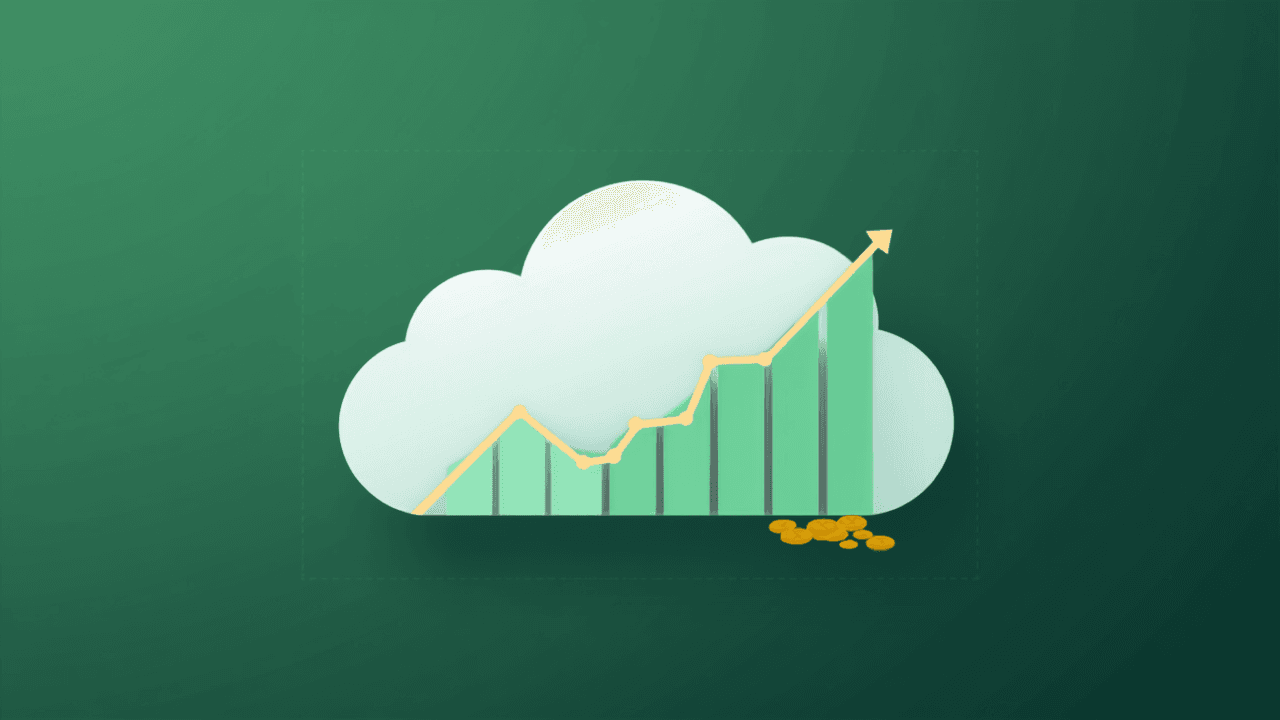
Moving data to the cloud brings scale and flexibility, but also a legitimate concern that comes up in almost every conversation: the bill at the end of the month. Unlike a fixed license, cloud processing and storage costs vary with usage. That's great when you're in control, and scary when you're not — one badly written query running in a loop can turn a predictable bill into a nasty surprise. The good news is you can get the benefits of the cloud without giving up predictability.
Where the cost comes from
- Processing queries and transformations;
- Running pipelines (extraction, cleaning, loading);
- Storing data over time;
- Moving data between systems.
Practice 1: prepay with credits
A prepaid credit model flips the logic of the surprise bill: you add a balance and spend from it. There's no open-ended bill growing on its own — when the balance runs out, you decide whether to top up. That puts a natural ceiling on spending.
Practice 2: real-time monitoring
Tracking how much each source, pipeline and query consumes lets you act before cost becomes a problem. Visibility is the first step to control.
Practice 3: alerts and limits
An alert when your balance hits 20% prevents surprise interruptions. Routines that flag unusual consumption help you spot a badly written query or a pipeline running more than it needs to.
Practice 4: refresh only as often as you need
Refreshing data as often as the business actually needs — not "all the time, just in case" — is one of the simplest ways to cut cost without losing value. Sales that feed a daily report don't need to be reprocessed every minute; a stable customer list can be refreshed weekly. Every unnecessary refresh you cut turns into direct savings.
Predictability is what matters
In the end, controlling cloud data costs is less about paying little and more about not being surprised. A prepaid model with visibility and alerts trades the anxiety of an open-ended bill for the peace of mind of knowing, at any moment, how much has been spent and how much is left. That changes a company's relationship with the cloud: you can use it without fear.
How a platform like ingestia.io helps
ingestia.io runs on prepaid credits, with real-time consumption tracking and an alert when 20% of your balance is left, plus routines that flag unusual consumption. You set a ceiling, see where your credits go, and use data in the cloud without dreading the end-of-month bill.
The goal is to deliver the complete platform for moving past scattered data: connect sources, organize them into Bronze, Silver and Gold layers, transform with a wizard or SQL, and consume the data wherever it makes sense — in the native BI (with dashboards, measures and alerts), by asking the AI in plain language, in AI Analyst reports, or through APIs, webhooks and external tools like Power BI and Excel. All on a monthly plan with usage credits, with consumption tracked in real time — and no data team required to get started.
Does your company need to centralize data?
Take the ingestia.io Data Structure Simulator and find out which path makes the most sense to organize your sources, cut rework and build a reliable foundation for reports, dashboards and integrations.