Guides to move past scattered data
For companies that want to centralize data, cut manual reporting and build reliable foundations for BI, APIs and decisions.
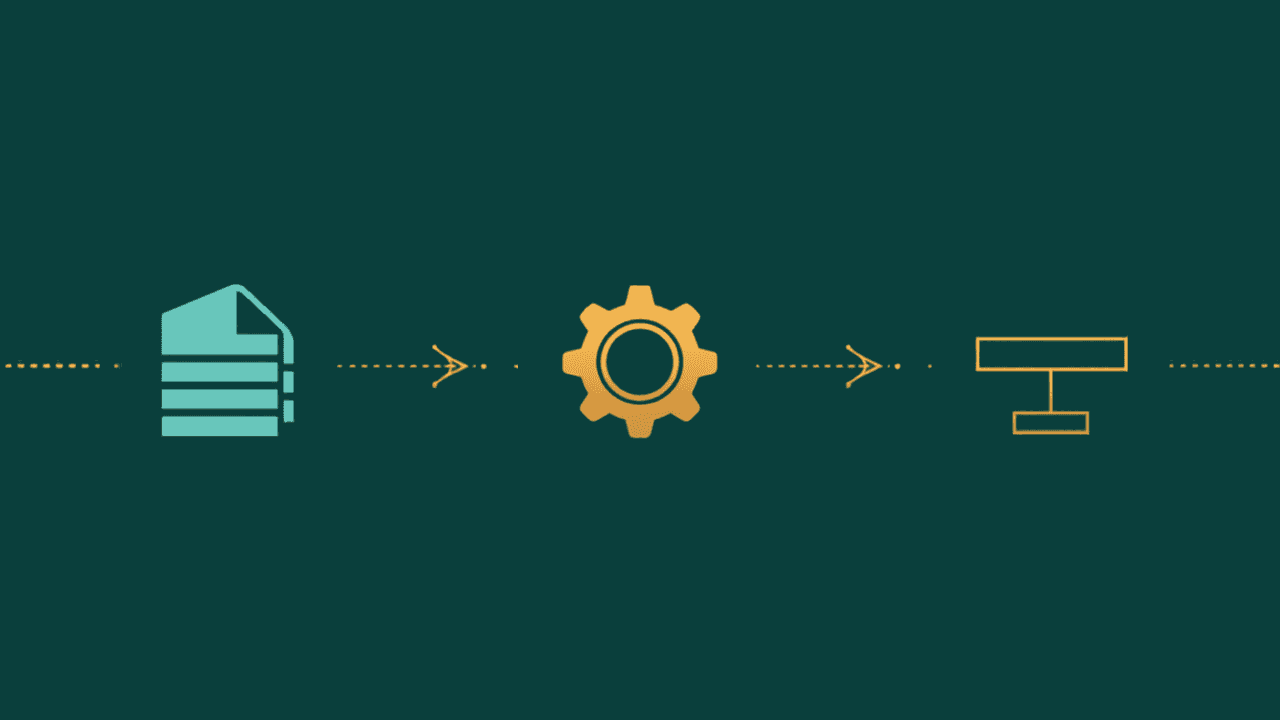
Data pipelines: what they are and why you should automate ingestion
A data pipeline is the automated path that takes data from its source to a base ready for analysis. Learn the stages and why automating changes the game.
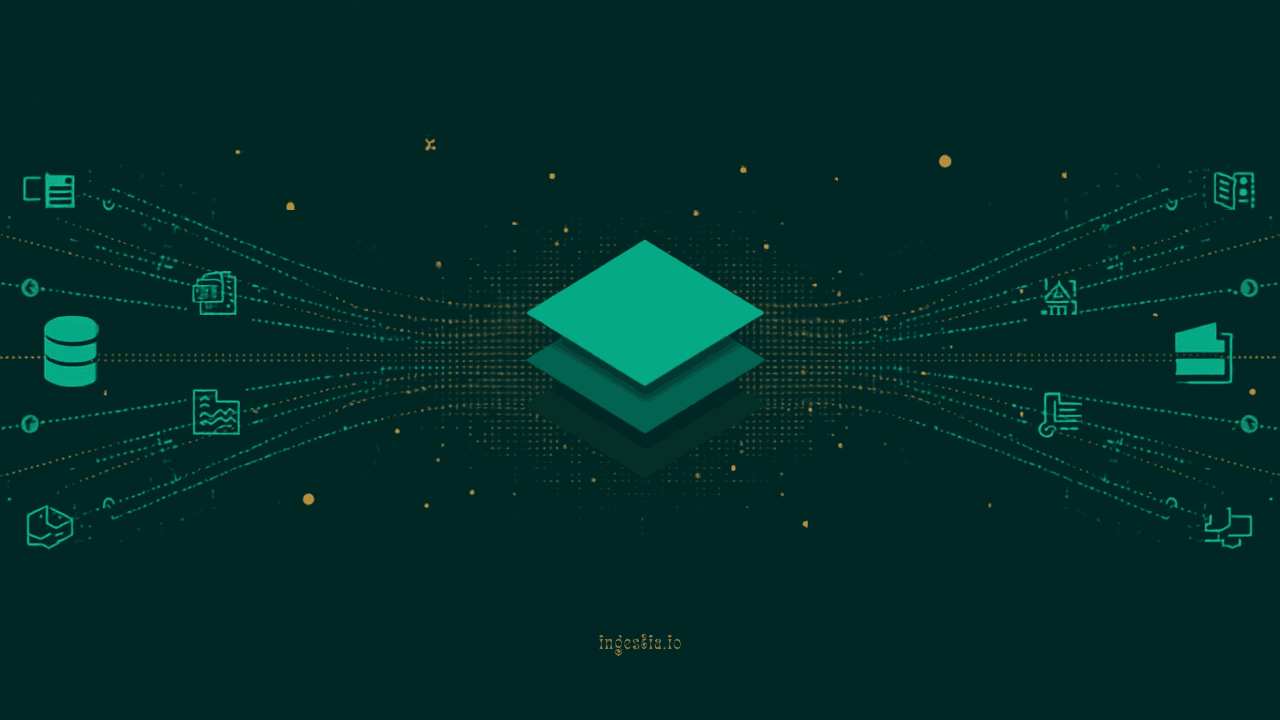
What is a datalake, and why your company might need one
A datalake is the central place where data from all your systems finally connects. Learn the concept without the jargon and see when it makes sense for your company.
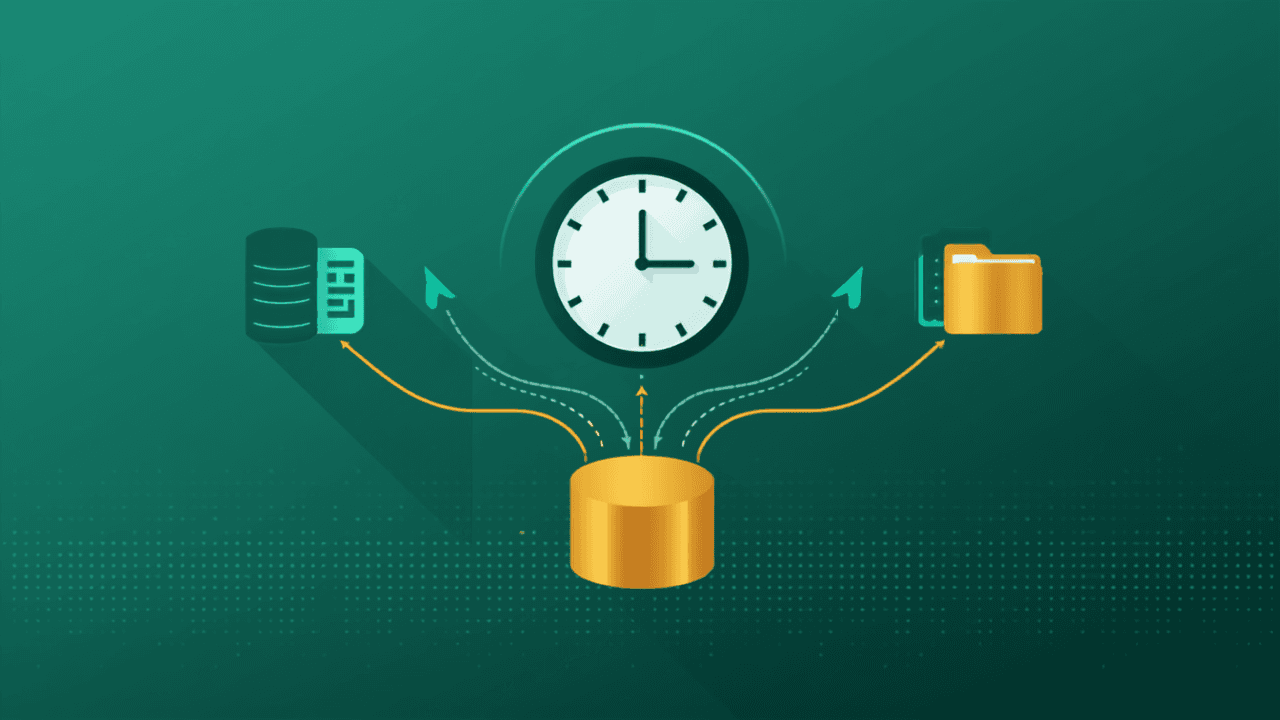
Scheduled ingestion: how to keep your data always up to date
Scheduled ingestion is what makes data arrive on its own in your central environment, at the right frequency. See how to set it up without overspending.
Is your data scattered? Signs it's holding your company back
Decentralized data rarely shows up as a "data problem" — it shows up as rework, meetings to reconcile numbers and delayed decisions. Learn to spot the signs.
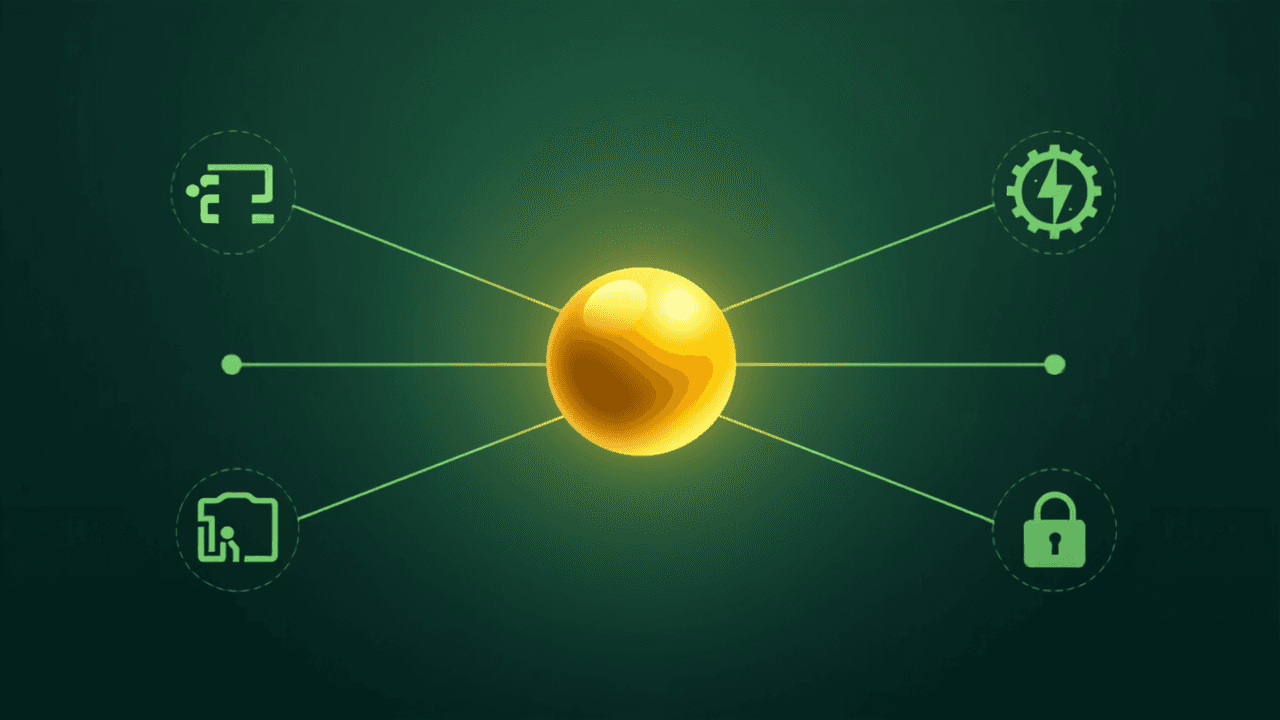
APIs, webhooks and service accounts: how to deliver data to other systems
Dashboards are not the only destination for your data. APIs, webhooks and service accounts deliver data to systems and automations — learn when to use each.
Before Power BI comes the foundation: why dashboards fail when data is a mess
Many companies buy BI hoping it will fix their data problem — and find that the chart just made the mess more visible. The foundation comes before the dashboard.
LGPD in practice: what to watch for when centralizing company data
Centralizing customer data brings analytical power — and LGPD responsibility. See best practices to do it carefully, without becoming a legal expert.
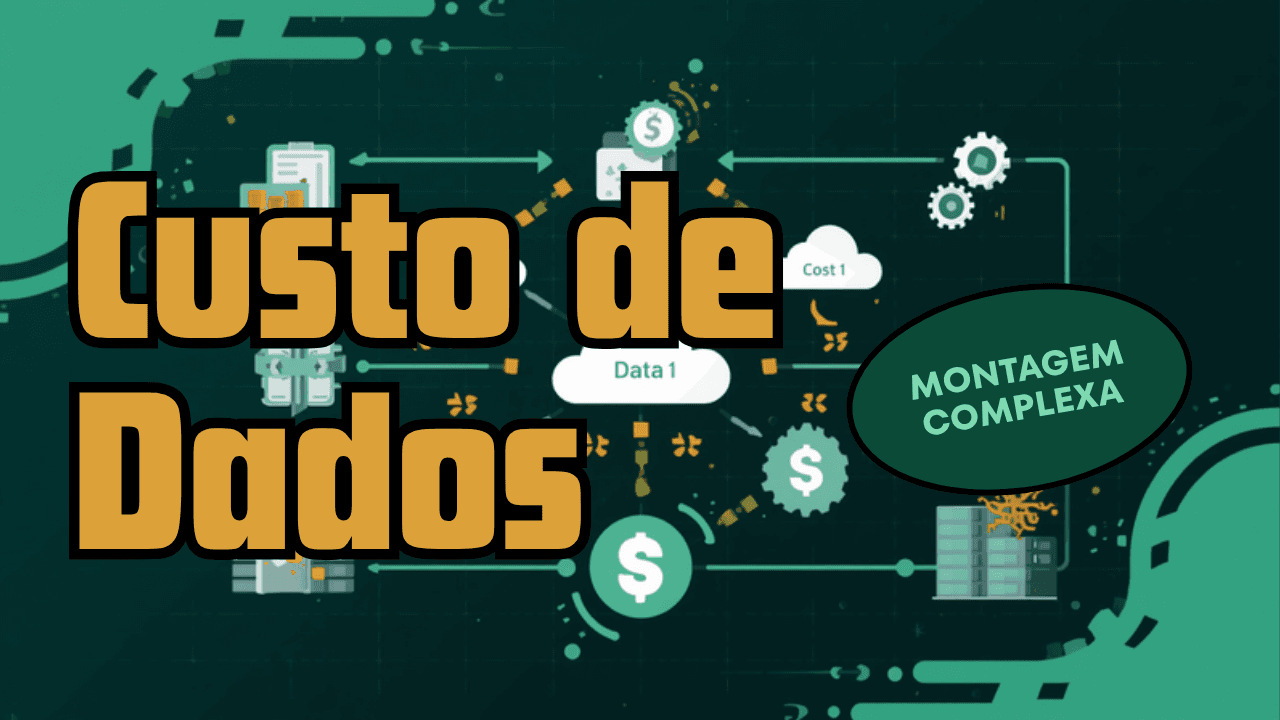
How much does it cost to build a data stack from scratch?
The cost of your own data stack goes far beyond the cloud bill. See the components that are usually overlooked and why the self-service model changes the math.
A datalake without a data team: can it work?
You don't need a full data team to start centralizing information. See how far a self-service platform can take you — and when it's worth growing the team.
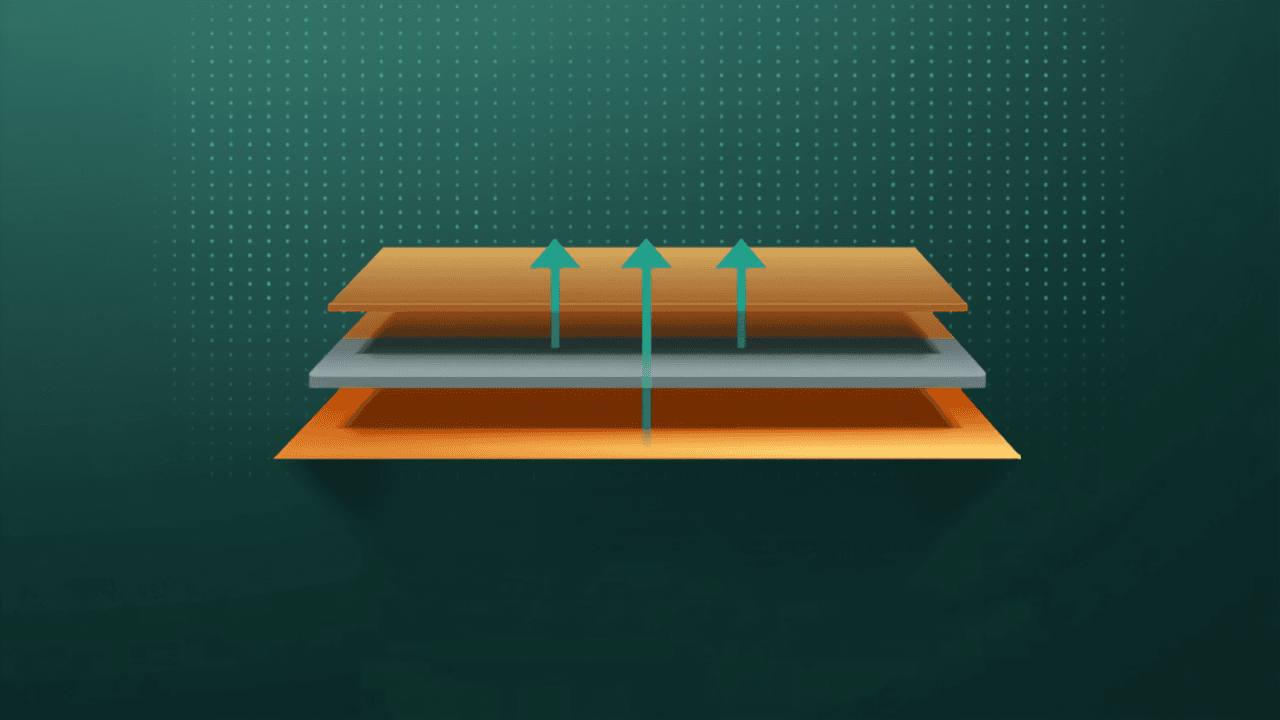
Bronze, Silver and Gold: a simple way to organize your data
Bronze, Silver and Gold is just an organized way to separate raw data, cleaned data and report-ready data. Learn the concept with everyday examples.
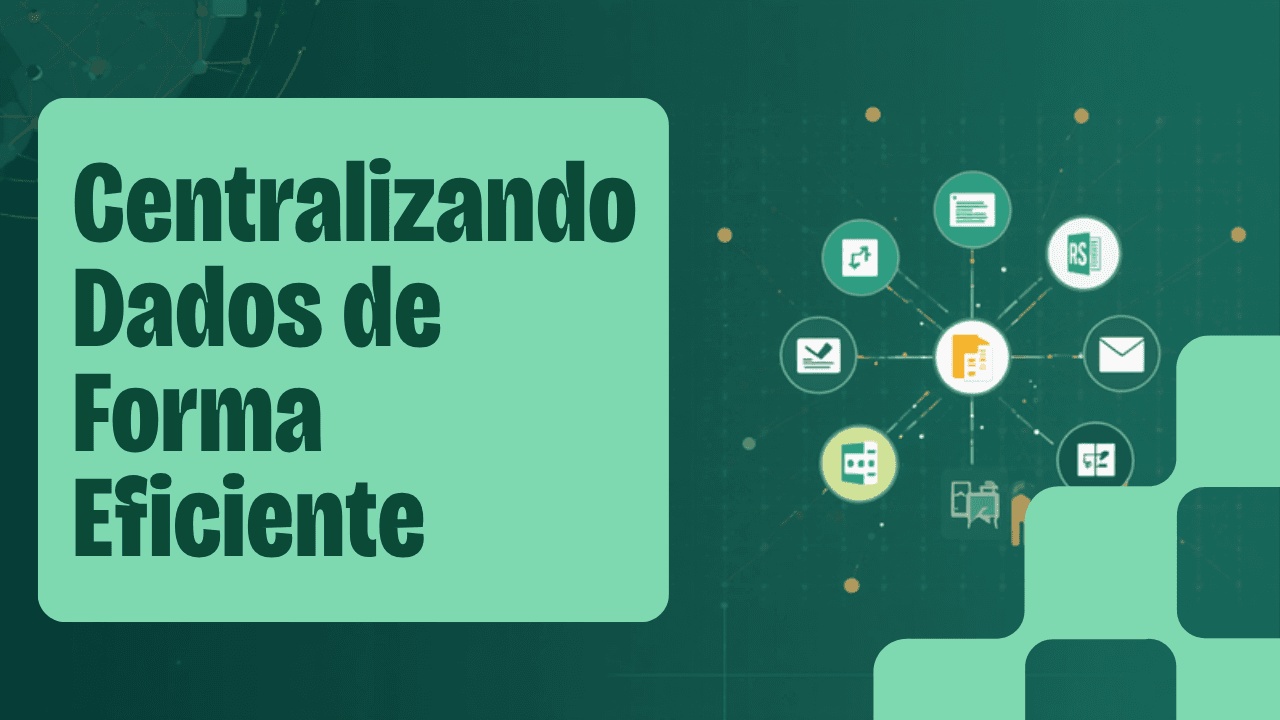
How to centralize data from your ERP, spreadsheets, databases and internal systems
Centralizing data doesn't mean moving everything at once. It means connecting each source at the right frequency and organizing it all in one place. Here's the practical step-by-step.
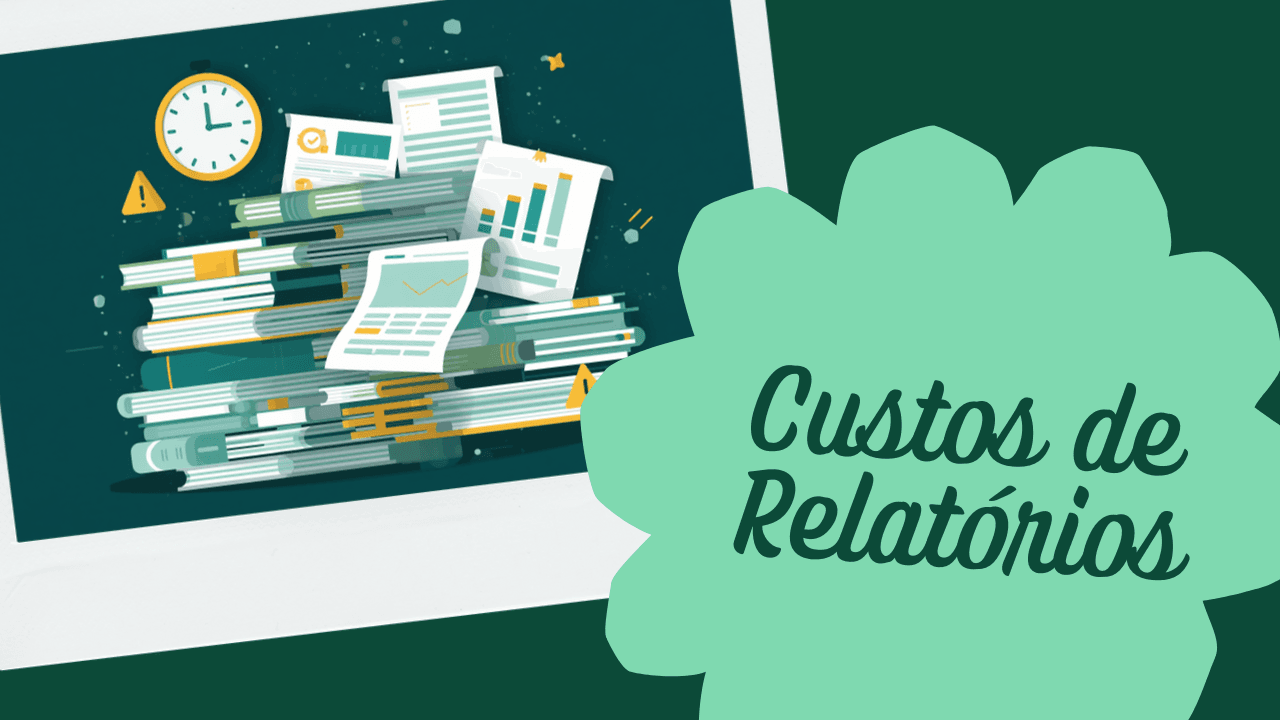
Why manual spreadsheet reports cost more than you think
Spreadsheets aren't the villain — but building reports by hand every month carries a cost that rarely shows up in the budget. Here's where it hides.
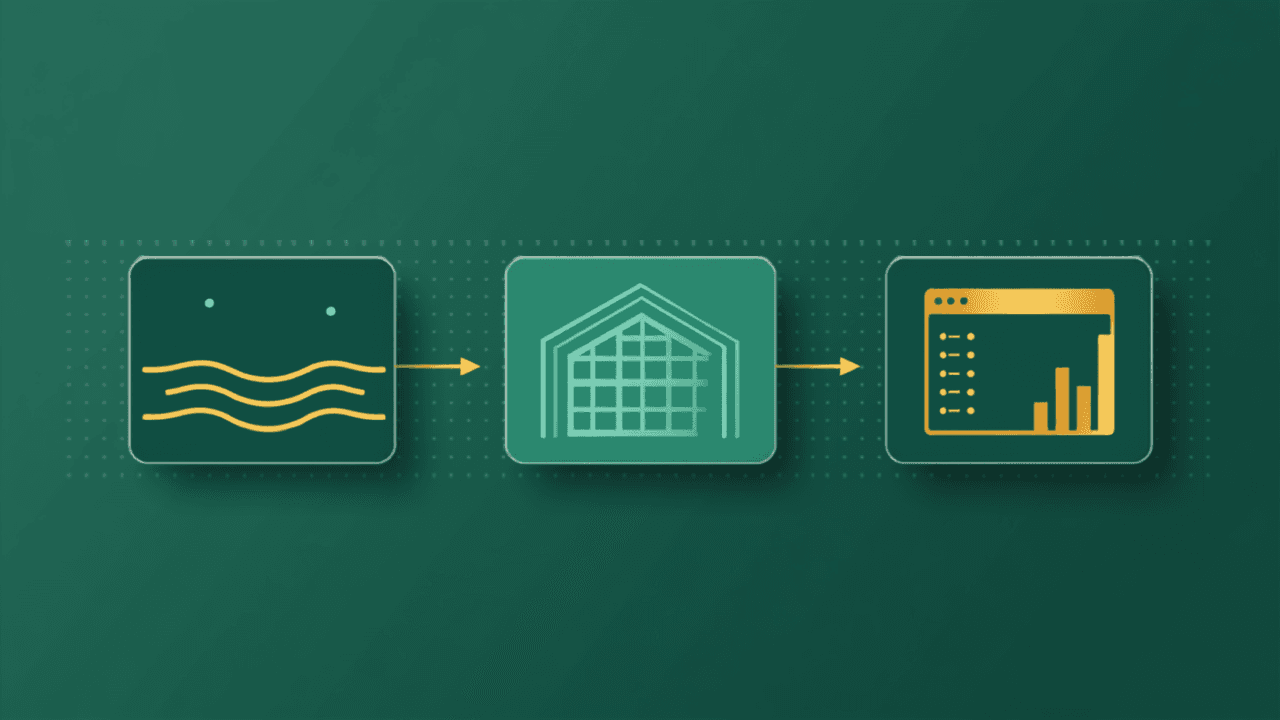
Data lake vs. data warehouse vs. BI: what's the difference?
Data lakes, data warehouses and BI aren't competitors — they're steps on the same path. Learn what each one does without getting lost in the jargon.
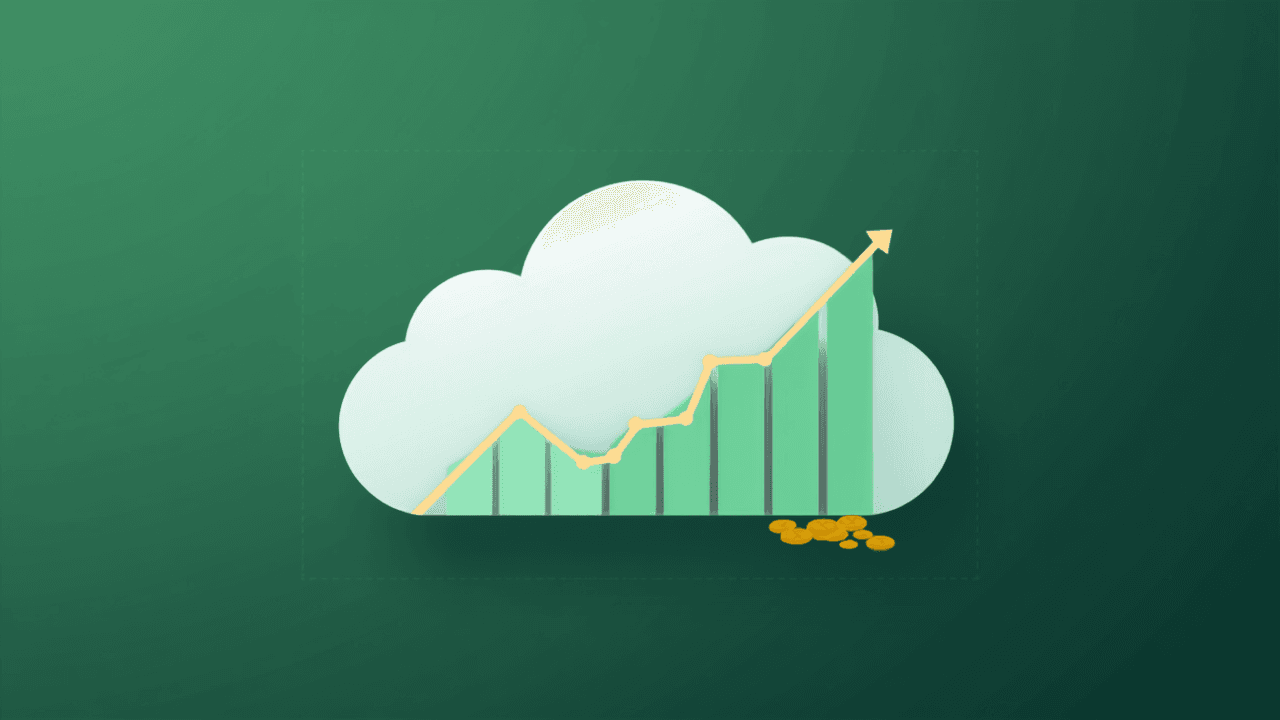
How to keep cloud data costs under control
A bill that grows on its own is one of the biggest fears of moving data to the cloud. Here are practices that bring predictability and prevent surprises.
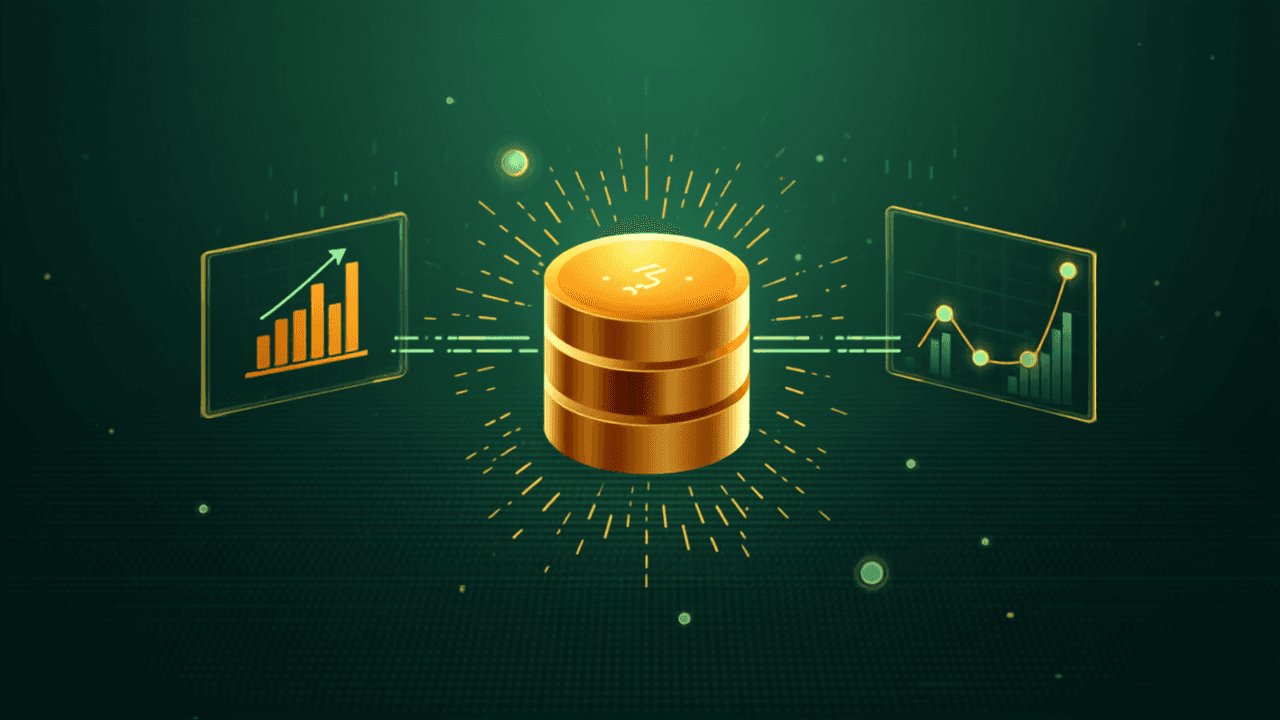
How to prepare data for Power BI, Looker Studio and Tableau
A great dashboard starts with the data behind it. Here's how to prepare your data so Power BI, Looker Studio and Tableau can shine.
Access control and PII: why security belongs in your data architecture from day one
Data security isn't something to bolt on later. When you centralize sensitive information, access control and PII governance have to be part of the foundation.
Not sure where to start?
Take the Data Structure Simulator and find out which ingestia.io plan fits your company.