Bronze, Silver and Gold: a simple way to organize your data
Bronze, Silver and Gold is just an organized way to separate raw data, cleaned data and report-ready data. Learn the concept with everyday examples.
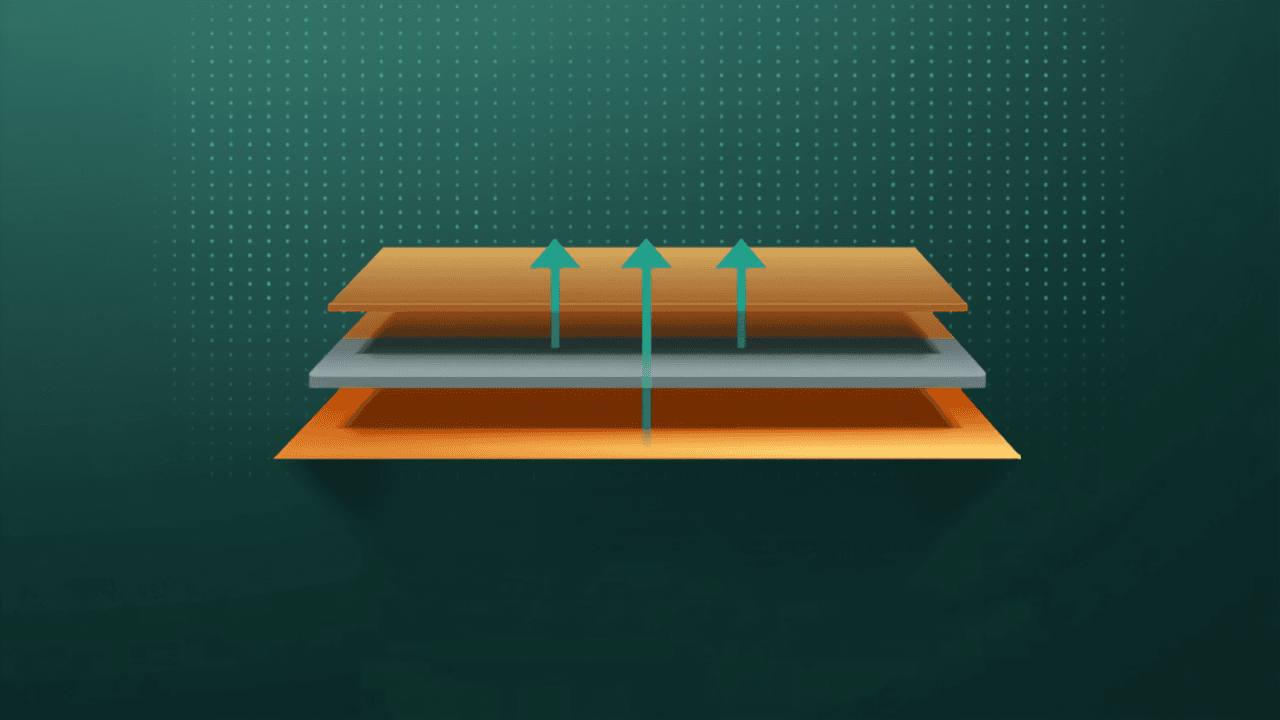
Bronze, Silver and Gold sound technical, but the idea behind them is simple and very practical: split your data into three stages of maturity, from rawest to most ready. This setup — also called the "medallion architecture" — keeps everything from turning into one giant spreadsheet where nobody knows what's original and what's been adjusted. Think of it as three drawers, each with a clear purpose.
Bronze: data as it arrived
The Bronze layer stores data exactly as it came from the source — no cleaning, no adjustments, no opinions. If tomorrow you find out you processed something wrong, the original is still there, untouched, ready to reprocess. It's your raw source of truth and your insurance policy: nothing gets lost, because the raw material is preserved.
Silver: cleaned data
In the Silver layer, data is cleaned and standardized. Dates move to a single format, customer names that showed up three different ways become one, values get corrected and duplicate records are resolved. It's the reliable, consistent version — the point where data from different sources can finally be combined without turning into a mess.
Gold: analysis-ready data
The Gold layer is modeled for consumption: tables and KPIs ready to feed dashboards, reports and APIs. This is where BI connects. Whoever looks at the dashboard doesn't need to know anything about the previous layers — they get the right number, already calculated and trustworthy. It's the storefront, organized for the people making decisions.
An everyday example
Take sales. Bronze receives the daily ERP export exactly as it comes. Silver standardizes products, regions and dates and removes duplicates. Gold delivers a "sales by month, region and category" table that Power BI reads directly. If a report ever looks off, you know exactly where to look: whether the problem is in the raw data (Bronze), the cleanup (Silver) or the final model (Gold). Without layers, that same error turns into a treasure hunt.
Why this saves you headaches
- Clearly separates what's original from what's been adjusted;
- Makes it easier to find and fix errors, layer by layer;
- Lets you reuse cleaned data across many different reports;
- Keeps BI pointing at a stable base, not at loose exports;
- Creates a repeatable process instead of improvised cleanup for every analysis.
It's not just for big companies
You don't need a huge volume of data to benefit from this setup. Even with just a few sources, separating raw, cleaned and ready brings clarity and saves you from "cleaning everything again" every time someone asks for a different report.
How a platform like ingestia.io helps
In ingestia.io, the Bronze, Silver and Gold layers are built into the platform. You ingest into Bronze, clean into Silver with a visual wizard or SQL, and publish to Gold for consumption — without having to design this structure by hand or build the infrastructure behind it.
The goal is to deliver the complete platform to move past scattered data: connect sources, organize them into Bronze, Silver and Gold layers, transform with a wizard or SQL, and consume wherever it makes sense — in native BI (with dashboards, measures and alerts), by asking the AI in plain language, in AI Analyst reports, or through APIs, webhooks and external tools like Power BI and Excel. All with a monthly plan and usage credits, with consumption tracked in real time — and no data team required to get started.
Does your company need to centralize data?
Take the ingestia.io Data Structure Simulator and find out which path makes the most sense to organize your sources, cut rework and build a reliable foundation for reports, dashboards and integrations.