What is a datalake, and why your company might need one
A datalake is the central place where data from all your systems finally connects. Learn the concept without the jargon and see when it makes sense for your company.
Every growing company piles up systems. It starts with a spreadsheet, then comes an ERP, a finance system, a CRM for sales, maybe an in-house database and a handful of files bouncing around by email. Each one handles its own piece well — and holds part of the truth. The trouble starts when you try to bring it all together: nobody can confidently answer simple questions like "what was our margin per customer last quarter?" without digging through three or four sources by hand. That is exactly the problem a datalake solves.
A datalake in one sentence
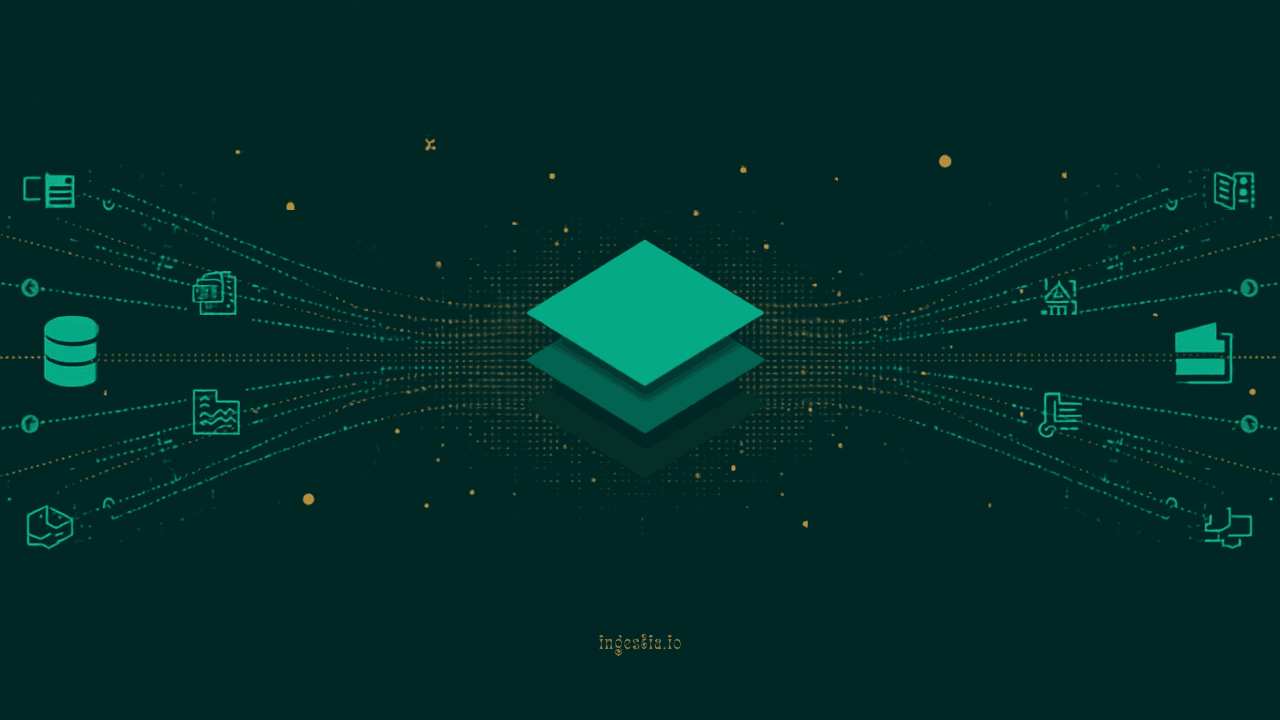
A datalake is a central repository where data from many sources is gathered, organized and made available for analysis. The "lake" metaphor fits: everything coming from different sources — database tables, CSV or JSON files, ERP exports, spreadsheets — flows into a single place, and from there you clean and use it consistently. Instead of ten data islands, you get one meeting point.
What a datalake is not
It is not a giant spreadsheet. Spreadsheets are great for exploring and quick math, but they break down once they become a company's official process: they get slow, multiply into versions and depend on whoever maintains them. Nor is it just "another database". A transactional database is optimized for a system's day-to-day work (recording a sale, updating a record), not for combining large volumes from many sources. A datalake is built for scale, automation and governance — storing a lot, from varied sources, and serving analysis.
Why it's no longer just for big companies
For a long time, building a datalake took data engineers, cloud infrastructure, orchestration and months of work. That's why it became associated with large corporations with dedicated budgets and teams. That has changed: self-service platforms now deliver the structure ready to use, hiding the cloud complexity underneath. Today a mid-sized company can centralize its data without starting with an expensive engineering setup — and without depending on a single specialist.
The practical payoff comes fast: reports stop being assembled by hand, different teams look at the same number, and decisions no longer depend on whoever "knows how to pull the data." Information becomes a company process, not knowledge stuck in one person's head.
What goes into a datalake
Almost any source that matters to the business can feed the datalake, as often as makes sense:
- Databases (PostgreSQL, SQL Server, MySQL, Oracle);
- CSV, JSON or Parquet files;
- Exports from ERP, CRM and finance systems;
- Cloud storage such as Amazon S3 and Google Cloud Storage (Azure Blob coming soon);
- Internal systems and spreadsheets that live on their own today.
Bronze, Silver and Gold: how it's organized inside
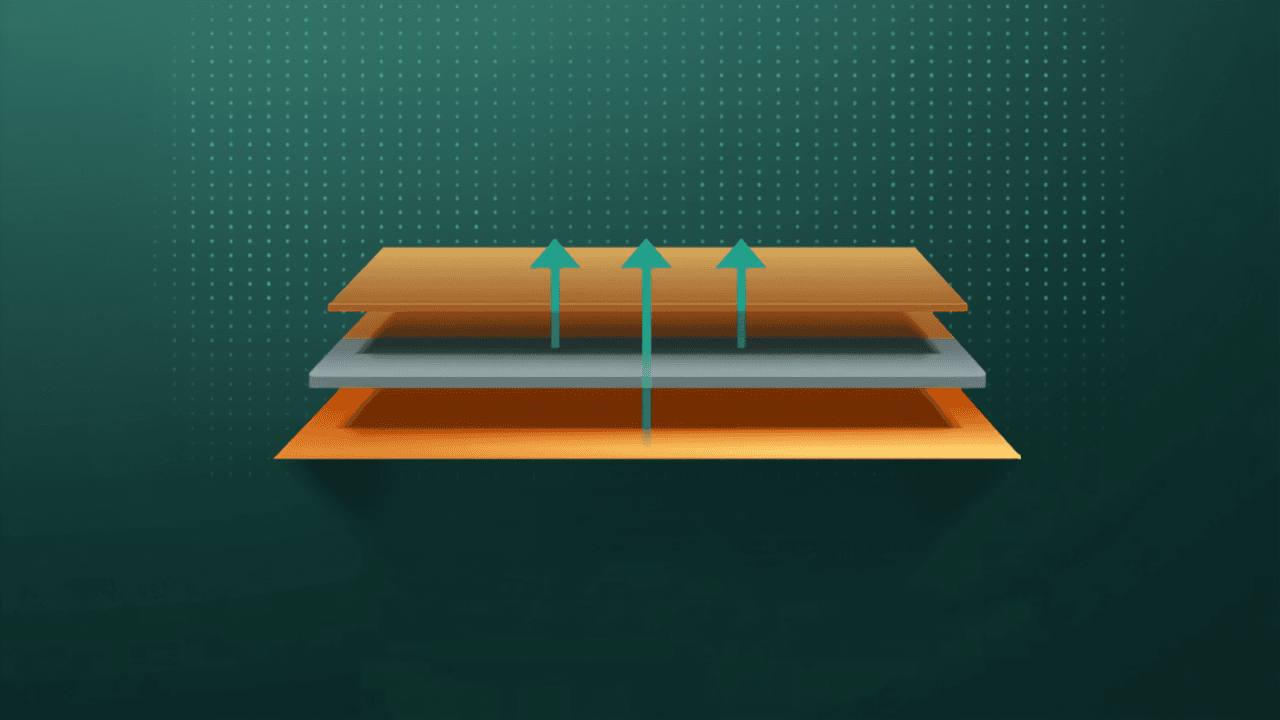
A good datalake doesn't throw everything into the same bucket. Data is usually split into layers: Bronze holds raw data, exactly as it came from the source; Silver holds cleaned, standardized data; Gold delivers modeled data, ready for dashboards and reports. This simple structure prevents chaos and makes it clear what is original and what was adjusted — so errors are easier to find and fix.
A concrete example
Picture a distributor with sales in the ERP, receivables in the finance system and customer history in the CRM. To find the real margin per customer, someone exports three spreadsheets and matches everything by hand every Monday — hours of work with plenty of room for error. With a datalake, those three sources are connected once, updated automatically and combined with SQL or a visual wizard. The margin report stops being a weekly puzzle and is ready whenever leadership needs it.
Signs your company already needs one
- You often export data from several systems and combine it in spreadsheets;
- Different teams report different numbers for the same question;
- Reports depend on one specific person and stall when they go on vacation;
- Decisions wait days for the report to be ready;
- You want to prepare data for Power BI, Looker Studio or Tableau, but your data is a mess.
And when it's not a priority yet
To be honest: if your company has a single source, little volume and no need to combine data, a datalake can wait. It makes a difference when you have several sources, recurring reports and a sense that data is holding decisions back. The good news is you can start small — with two or three sources — and grow as the need arises.
How a platform like ingestia.io helps
ingestia.io delivers a ready-made datalake on Google Cloud, with your data stored in the São Paulo region. You connect your sources, set when they refresh and start working with reliable data — without configuring cloud, orchestration or security yourself. You start small, with a monthly plan and usage credits, and scale as you grow.
The goal is to deliver the complete platform for moving past scattered data: connect sources, organize them into Bronze, Silver and Gold layers, transform with a wizard or SQL, and use the data wherever it makes sense — in the native BI (with dashboards, measures and alerts), by asking the AI in plain language, in AI Analyst reports, or through APIs, webhooks and external tools like Power BI and Excel. All on a monthly plan with usage credits, consumption tracked in real time — and no data team required to get started.
Does your company need to centralize data?
Take the ingestia.io Data Structure Simulator and find out which path makes the most sense to organize your sources, cut rework and build a reliable foundation for reports, dashboards and integrations.