Access control and PII: why security belongs in your data architecture from day one
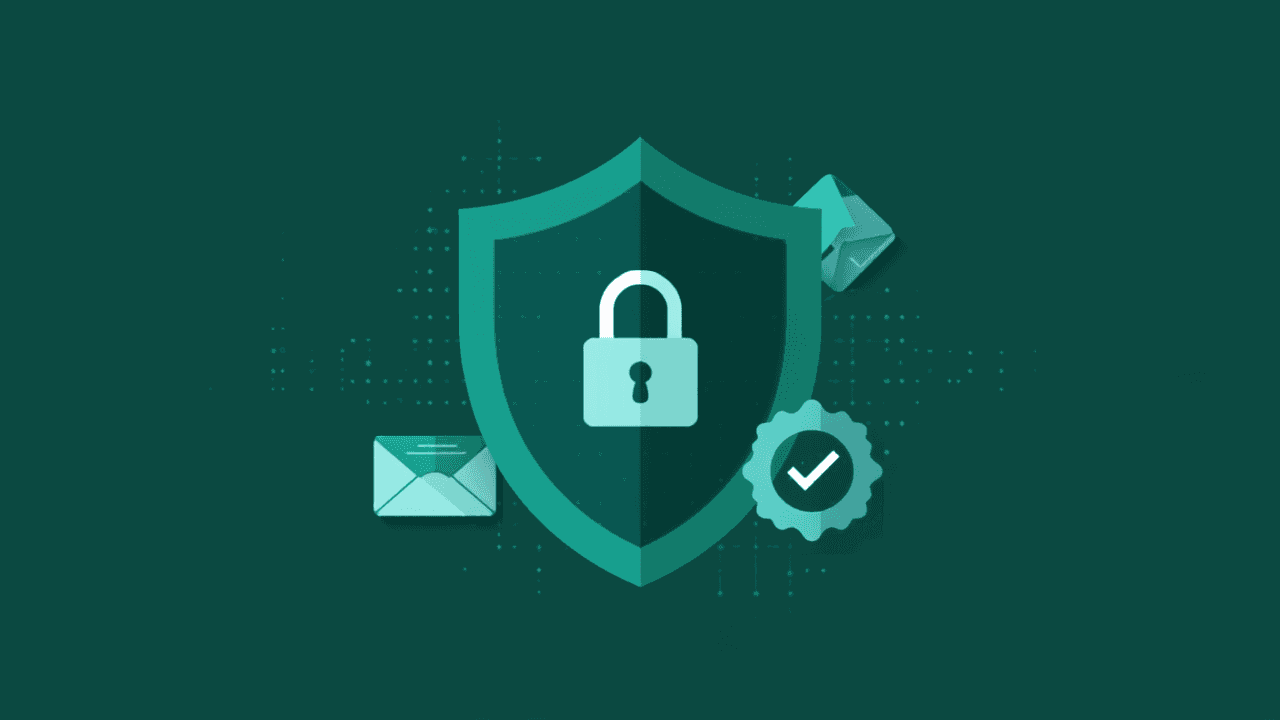
Data security isn't something to bolt on later. When you centralize sensitive information, access control and PII governance have to be part of the foundation.
Centralizing data brings a huge benefit — and an equally large responsibility. When you bring information from many sources into one place, you're probably also concentrating sensitive data: CPF and CNPJ (Brazilian tax IDs), email, phone, address and financial data. A poorly protected datalake turns that benefit into a risk: everything that used to be scattered is now together, and a single unauthorized access reaches much more. That's why treating security as the last item on the project is a risk that usually costs dearly — in fines, reputation and trust.
What counts as sensitive data (PII)
- ID documents such as CPF and CNPJ;
- Contact details: email, phone and address;
- Financial and payment data;
- Information that identifies customers and partners.
Why it has to come first
It's much harder to add access control and PII tagging once data is already scattered and in use. When security is part of the architecture from the ground up, every new source comes in already within the rules — not as an exception to be fixed.
Access control by user and team
Not everyone needs to see everything. Finance doesn't need the same access as marketing. Per-user and per-team permissions reduce risk and help you follow LGPD best practices (Brazil's data protection law), making sure each person sees only what they need.
Governance in practice
- Tagging of sensitive fields (PII);
- Scoped, auditable access to sources, datasets and queries;
- Service accounts for machine integrations;
- Isolation of each company's data.
Security that doesn't get in the way
There's a common fear that security means red tape: locking everything down so tightly that no one can work. Good governance is the opposite. It means giving the right access to the right person, in a traceable way — so people can use data freely within what's theirs to see. When this is built into the platform, the company gets protection without losing agility.
A pillar of customer trust
Taking good care of sensitive data isn't just about avoiding trouble with the LGPD — it's also a trust signal. Customers and partners notice when a company takes their data seriously. What starts as an obligation becomes a differentiator.
How a platform like ingestia.io helps
ingestia.io provides per-user access control, granular permissions, features that support LGPD best practices and PII tagging, service accounts for integrations, and per-customer isolation. Security is part of the architecture from the start — not a patch applied after the problem has already shown up.
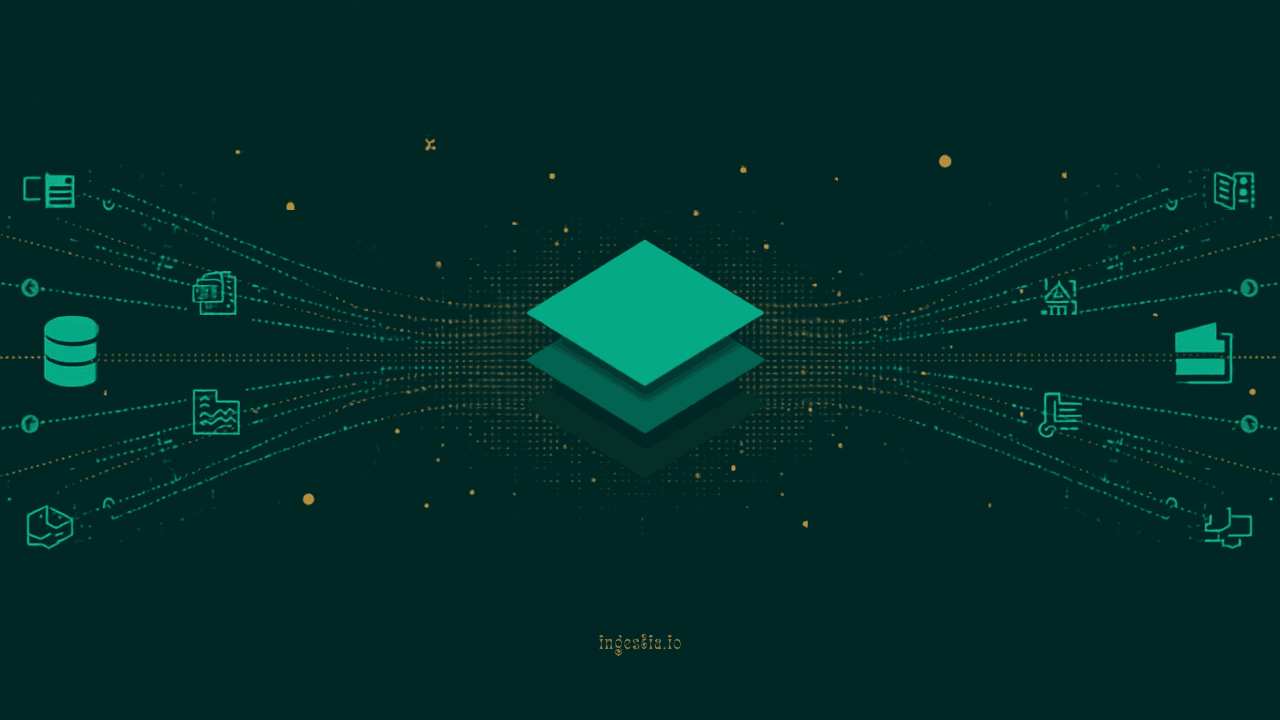
The goal is to deliver the complete platform for moving past scattered data: connect sources, organize them into Bronze, Silver and Gold layers, transform with a wizard or SQL, and consume the data wherever it makes sense — in the native BI (with dashboards, measures and alerts), by asking the AI in plain language, in AI Analyst reports, or through APIs, webhooks and external tools like Power BI and Excel. All on a monthly plan with usage credits, with consumption tracked in real time — and no data team required to get started.
Does your company need to centralize data?
Take the ingestia.io Data Structure Simulator and find out which path makes the most sense to organize your sources, cut rework and build a reliable foundation for reports, dashboards and integrations.